An AI assistant that reviews code and keeps the team informed
A large development organisation with many repositories, apps, and daily deployments needed a better overview — and faster feedback on code changes. Schjønhaug AS built an assistant in TypeScript that gathers notifications in Microsoft Teams and provides AI-based reviews of pull requests.
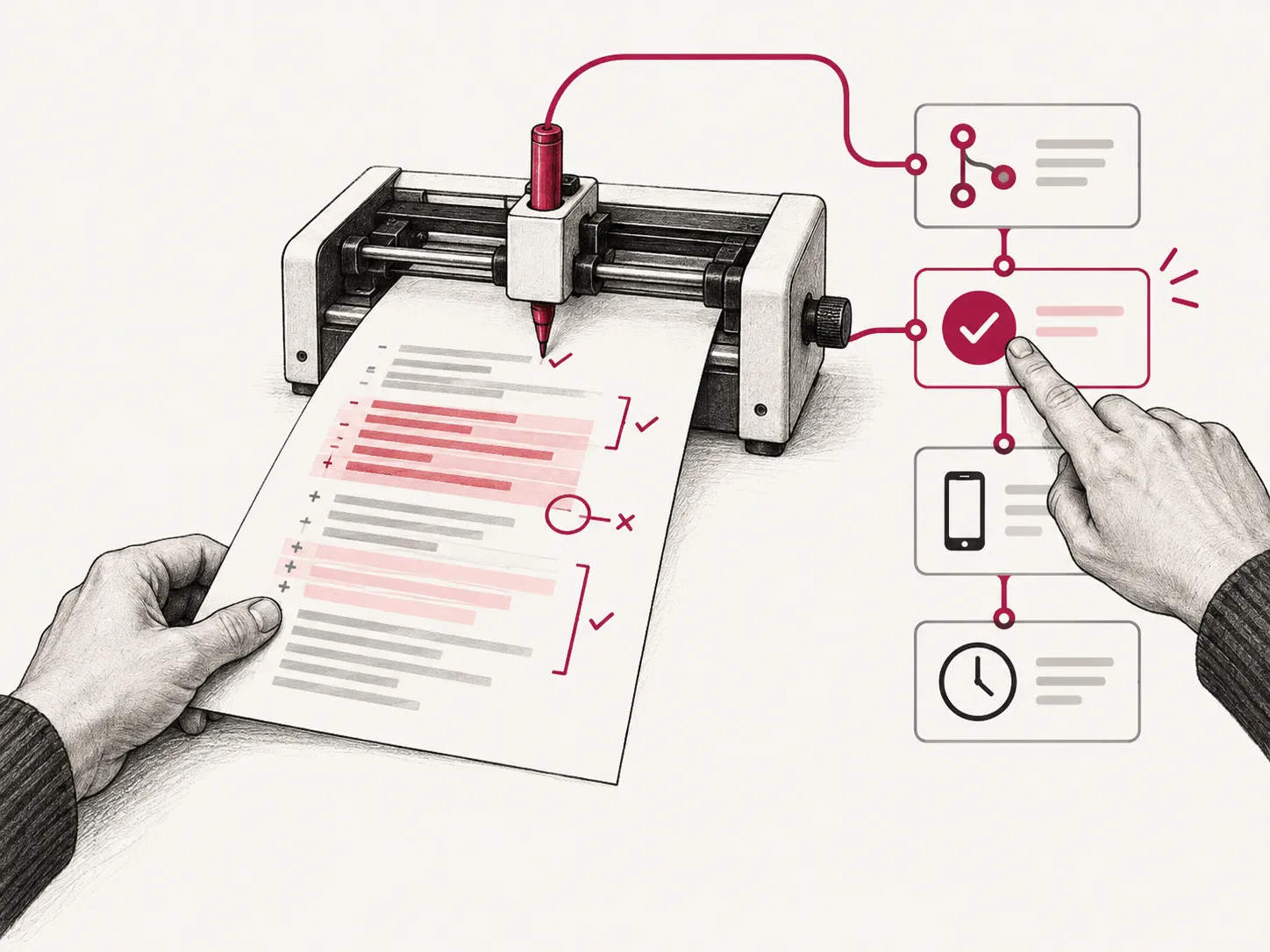
In a development organisation with several teams, many repositories, and apps for both iOS and Android, it is easy to lose track. Pull requests sit unreviewed, deployments happen without everyone knowing, and a new app version in the App Store only becomes known when someone happens to check. At the same time, time for thorough code review is limited.
One channel for what is happening
Schjønhaug AS built an assistant in TypeScript and Node.js that brings events to where the team already works: Microsoft Teams. The service receives webhooks from Azure DevOps and App Store Connect, polls Google Play for status, and posts clear notifications about new pull requests, status changes, production deployments, and app releases. Every weekday at eight, the team gets a reminder about pull requests that are waiting.
AI review of pull requests
The second part of the assistant is code review using language models. For selected repositories, it reads the description, the changes, and earlier comments on a pull request, and asks a model in Azure AI Foundry for a structured assessment. The result is published as comments directly on the pull request. The solution supports both OpenAI and Anthropic models, and the review is guided by instructions describing what the team actually cares about.
The assistant does not replace human review, but it catches obvious mistakes early and gives the approver a better starting point. It also produces AI-generated changelogs for new releases.
Built for operations
The service runs as a container on Azure using Managed Identity for Azure resources, and uses Azure Table Storage to avoid duplicate notifications. It is tested with Vitest and Supertest and deployed automatically through Azure Pipelines.
Outcome
The teams now have a shared overview of pull requests, deployments, and releases, and faster first feedback on code changes — without switching tools.